Seal element of the university of freiburg in the shape of a clover

All News

Adeus Fabiula

Adeus Fabiula

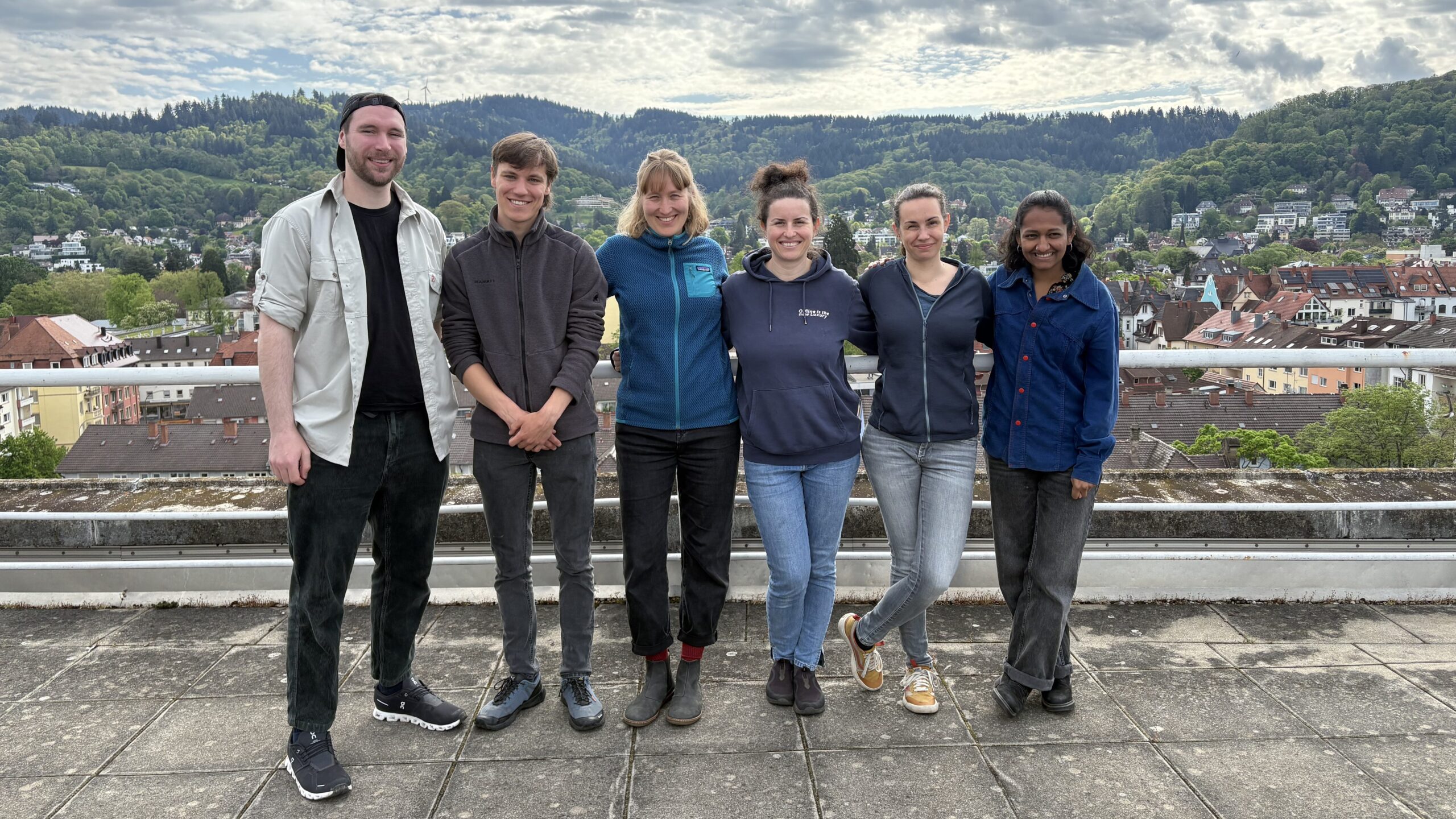
From November 2024 to April 2025, Fabiula Eurich-Machado visited our working group Climate Geography (CliG) of TT-Prof. Dr. Katharina Schröer. Fabiula is working on her doctorate in hydrogeography at the “Universidade Estadual do Centro-Oeste” (UNICENTRO) in Brazil. In her dissertation, she is investigating flood risk in small communities in Brazil (Guarapuava, Irati and Pitanga). Her main focus is on the question of how flood risk can be assessed with very limited available data and how this can be translated into simple mapping tools.
HAIPI project

HAIPI project kicked off

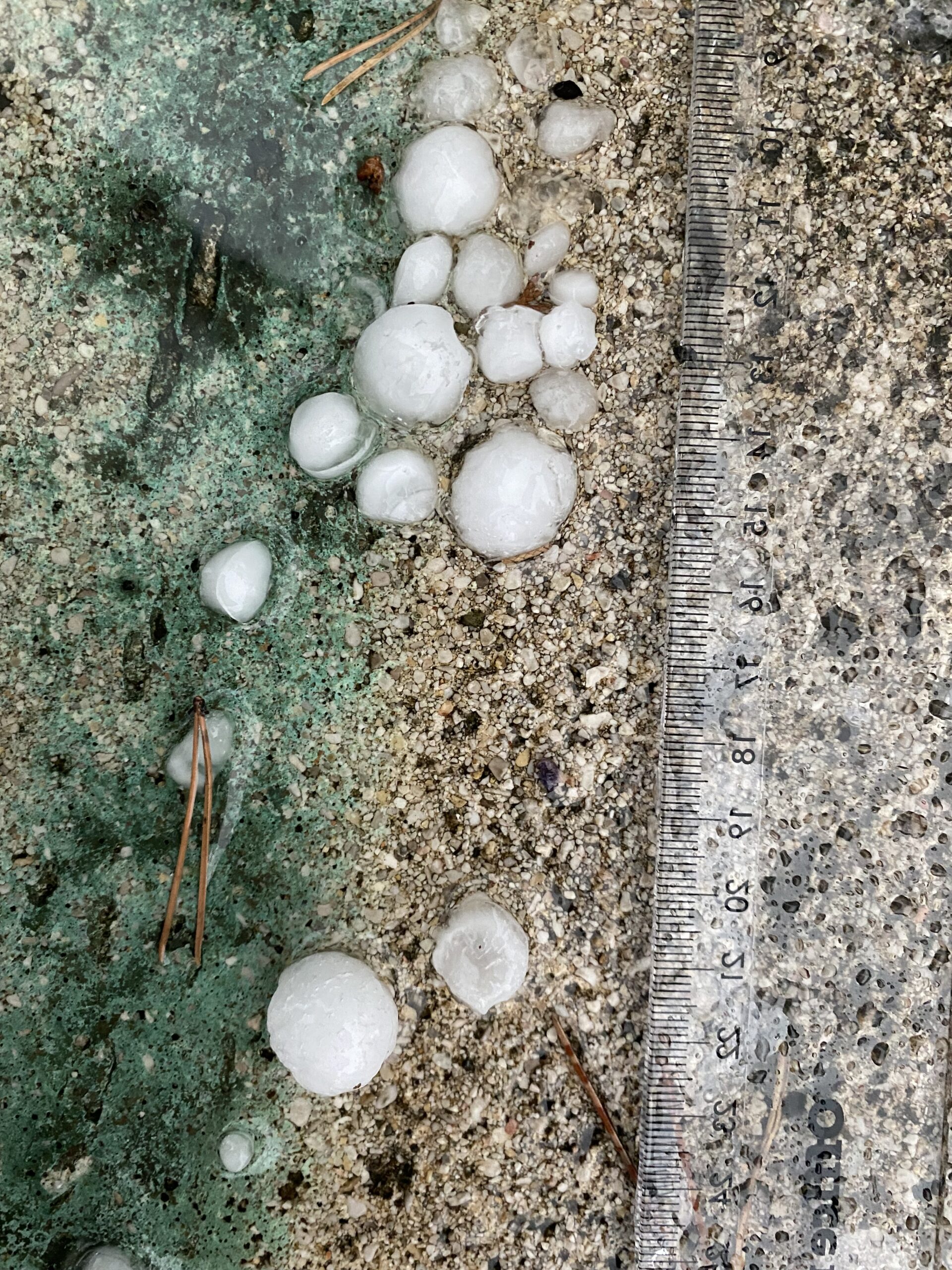
The HAIPI – Hail Analysis, Impact and Precidicion Initiative – project was launched in September 2024. Hail causes billions in damage every year. Insufficient data is one of the main obstacles in hail research. HAIPI aims to fundamentally improve the data basis and thus the prediction and analysis using a combination of new types of data and machine learning methods. HAIPI is funded by the German Weather Service as part of the research funding program for extramural research.

TIM campaign

CliG partners with ESSL TIM severe storms field campaign

TIM (thunderstorm intensification from mountains to plains) is a multi-year and high-density meteorological field campaign on severe thunderstorms lead by the European Severe Storms Laboratory ESSL. TIM partners from around Europe join forces to advance the science behind the storms. CliG aims to contribute in particular to field investigations related to questions around the climatology and risk of extreme convective events in the Alpine region. For more information on TIM and the topic, visit https://tim-campaign.eu and CliG´s CROSCEA project page.

New paper on hail damage modeling

New paper on hail damage modeling

In the study lead by Timo Schmid, PhD candidate at ETH Zurich, single-polarization radar-based hail intensity measures were assessed as predictors for hail damages to buildings and cars and impact functions were derived for the best-performing measure using a novel calibration approach and damage reports from four cantonal building insurances and one private car insurer. Read the paper here: https://nhess.copernicus.org/articles/24/847/2024/.