Seal element of the university of freiburg in the shape of a clover

Research

Our research profile

Research Projects

Research Project

CROSCEA Exploring Cross-Scale Processes of extreme convective events in the Alpine region

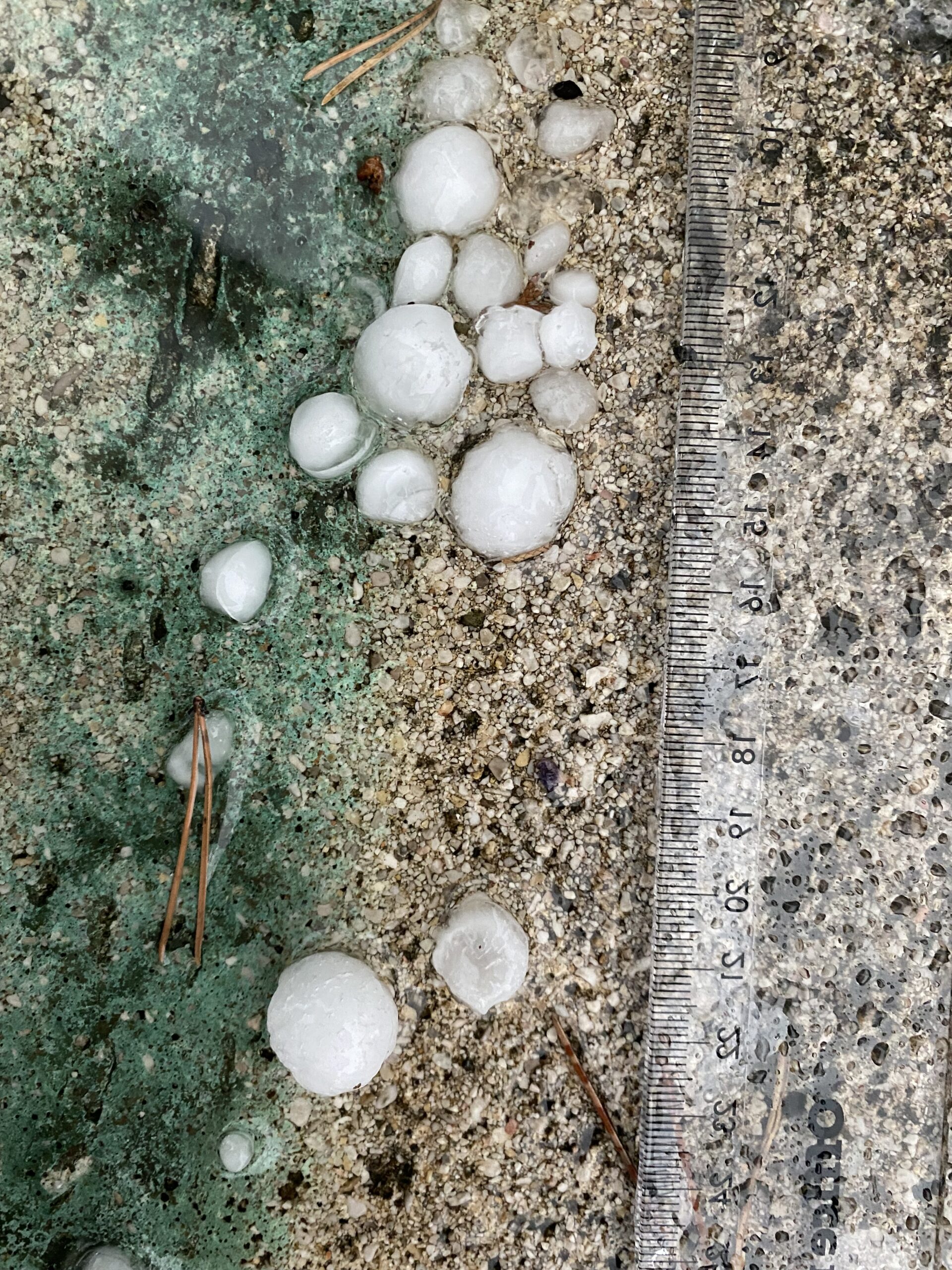
Convective events, characterized by extreme precipitation, wind, lightning, and hail, consistently account for a significant portion of insured natural hazard damages, particularly affecting the agricultural, vehicle, and building sectors. In recent years, record-breaking hailstone sizes (up to 19 cm in Europe), substantial damage costs, and prolonged, intense convective storms have been observed. The increase in temperatures due to global warming enhances the air’s saturation vapor pressure, thereby intensifying convective processes through moisture supply and increased latent heat release. Many of the most intense convective events in Europe occur around the Alps, where large-scale atmospheric flow is significantly influenced by the complex topography of mountain ridges and valleys and interacts with regional to local processes. The objective of CROSCEA is to systematically classify, characterize, and analyze convective hotspots in the greater Alpine region.

Read more

Research Project

HAIPI: Hailstorm Analysis, Impact, and Prediction Initiative

Hail is one of the hazards associated with extreme convective events. It is one of the most expensive atmospheric hazards, and recent events have demonstrated this repeatedly with costly damage to vehicles, buildings, and agriculture. Hail is still one of the biggest challenges in forecasting, which is mainly due to the insufficient amount and quality of available data, together with the short spatio-temporal process scales. HAIPI aims to improve this situation integrating novel data sources to develop a product that estimates expected hail stone sizes through state-of-the-art machine learning algorithms. The focus is on crowd-sourced hail reports from the DWD WarnWetter-App as well as new dual-pol radar products, and existing products used in the DWD seamless forecast chain, e.g. KONRAD3D.

Read more

Research Project

STRIKE: Stochastic Tracks for Risk and Impacts of 
Key hail Events

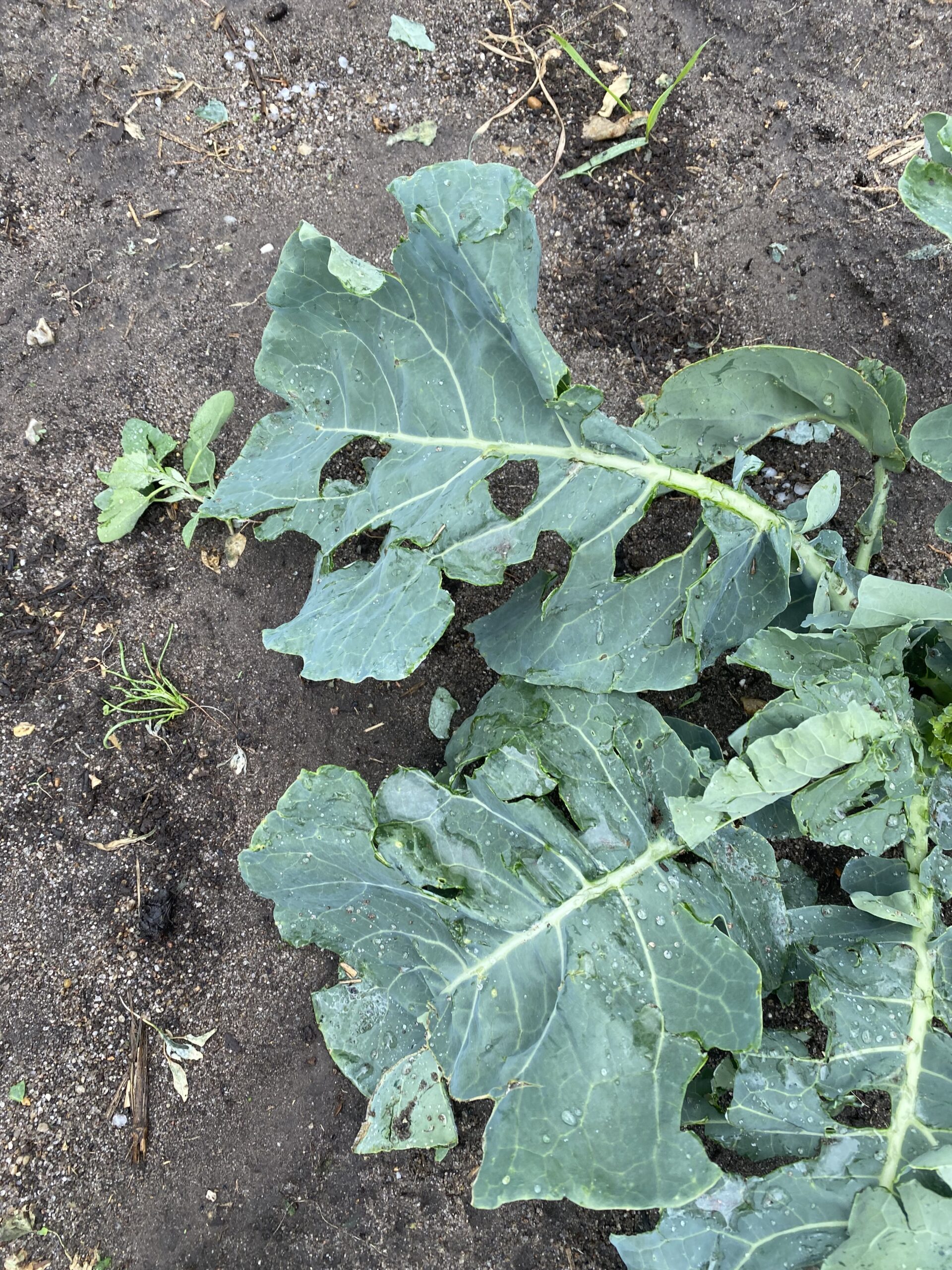
Hail is a significant cause for damage every year. Especially in agriculture. Modelling the damage potential of hailstorms is still a major challenge due to high uncertainties in hail observation data. STRIKE is developing models for stochastic risk assessment that take more comprehensive hazard and vulnerability characteristics into account.

Doctoral Theses at CliG

Current PhD projects at CliG
External / Co-Supervision
Completed PhD theses
External / Co-Supervision

Collaborations and Project Participations

Research Project

scClim – Seamless coupling of kilometer-resolution weather predictions and climate simulations with hail impact assessments for multiple sectors 

scClim is an external Swiss project lead by Prof. Dr. David Bresch (ETH Zurich). CliG is involved in two PhD projects of the SNF-funded Sinergia project. Socio-economic impacts of weather phenomena in a changing climate are a concern for government agencies, industry and the public, on time scales from hours (warnings) to decades (adaptation, long-term strategic planning). This project focuses on thunderstorm-related severe weather, in particular hail, one of the main weather-related damage drivers in Central Europe for agricultural crops and infrastructure, and related impacts today and in future. Learn more about the project at the scClim Homepage:

Read more

About Us

Our Profile, Lates News, and More

Teaching

Our Teaching Program and Thesis Information

Team

Introduction of Our Team Members and List of Contact Details