Research

Protecting urban and forest trees from new threats posed by climate-related pathogens
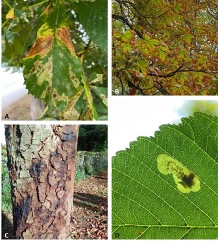
Our urban areas and forests are under increasing pressure from climate change, which favours the spread of new fungal pathogens and pests. Rising temperatures and changing precipitation patterns lead to drought stress, which weakens these trees and makes them more susceptible to infection.
Our research covers urban areas and forest regions in Germany and Europe. We investigate the interactions between microorganisms and their host trees as well as the spread of invasive pathogens. We use molecular genetic methods to precisely analyse the distribution and composition of these microorganisms and to identify natural antagonists that can strengthen the resilience of trees.
We pay particular attention to the development of strategies to combat trunk and branch cankers, which pose a growing threat in urban and forest areas. Through our comprehensive studies and early interventions, we aim to ensure the health, safety and longevity of our trees, thereby making an important contribution to the protection of our urban and natural green spaces.


Research infrastructure
The Chair of Tree Pathology extends its research work to molecular genetic investigations and isolation and cultivation in the laboratory, as well as tests on plants in greenhouses.
The professorship is equipped with modern laboratory infrastructure, including:
- Microorganism laboratory
- Molecular research laboratory
- Wood and sample preparation laboratory
- Microscopy facilities (light, fluorescence, SEM)
- Culture collection of fungal strains
- Fungal photo database for morphological identification
- Incubators and growth chambers
- Greenhouses
- Services for the identification of wood species and fungal fruiting bodies
About us
Our profile, latest news and more
Teaching
Our teaching offer and information about student theses.
Team
Our team members and list of their contact data.