Faculty of Environment and Natural Resources
Chair of Soil Ecology

At the Chair of Soil Ecology, we work on the interactions between plants, soil organisms and the abiotic components of soils, especially in forests. In research and teaching, we deal with soil science fundamentals as well as application-oriented issues that arise from changing environmental conditions for the soil ecosystem and have consequences for the sustainable management of soils and soil protection.


Archive floor
Soil of the year 2026
On World Soil Day, December 5, 2025, the Soil of the Year 2026 — the “Archive Soil” — was announced during a ceremony at the Hesse State Representation in Berlin.
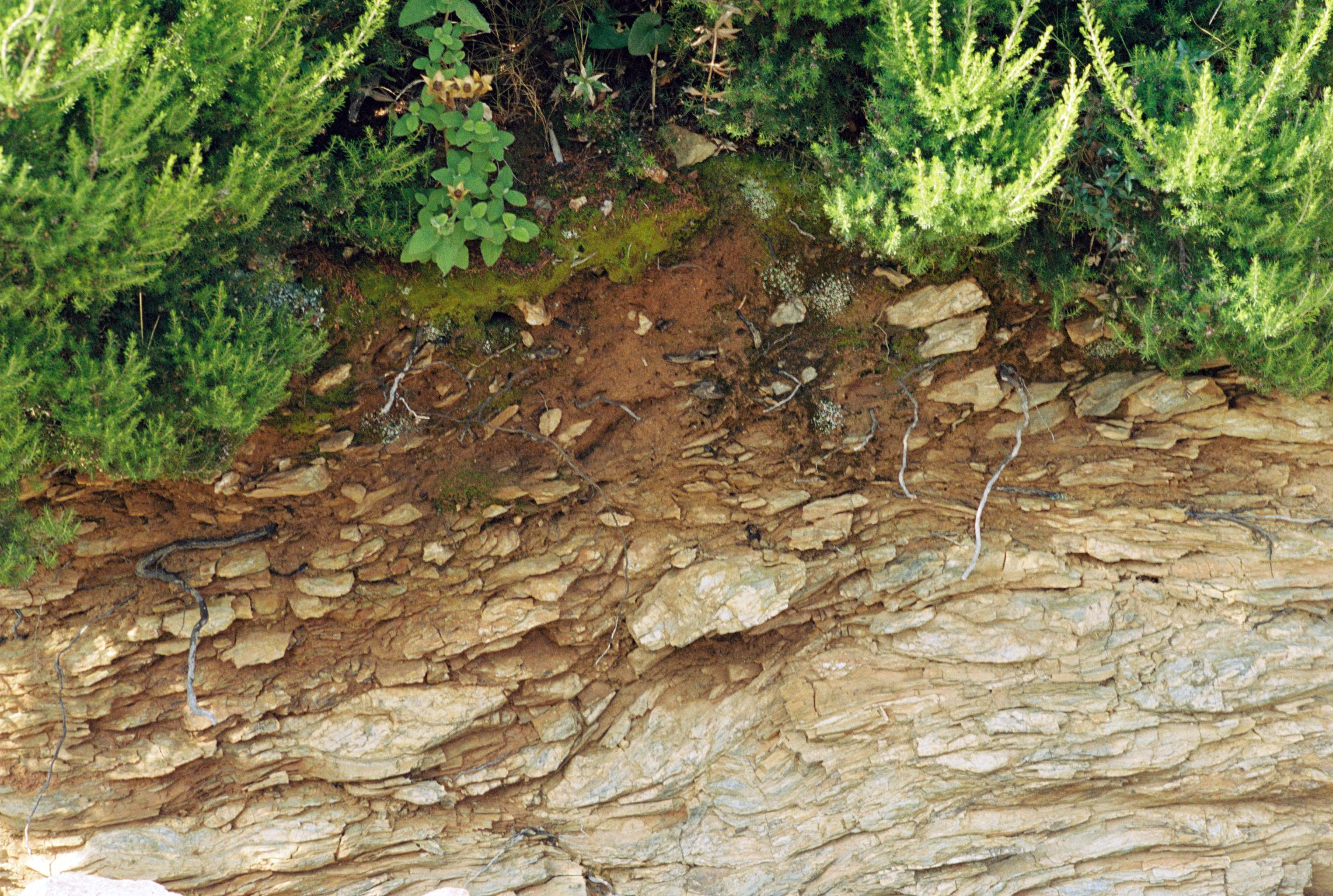
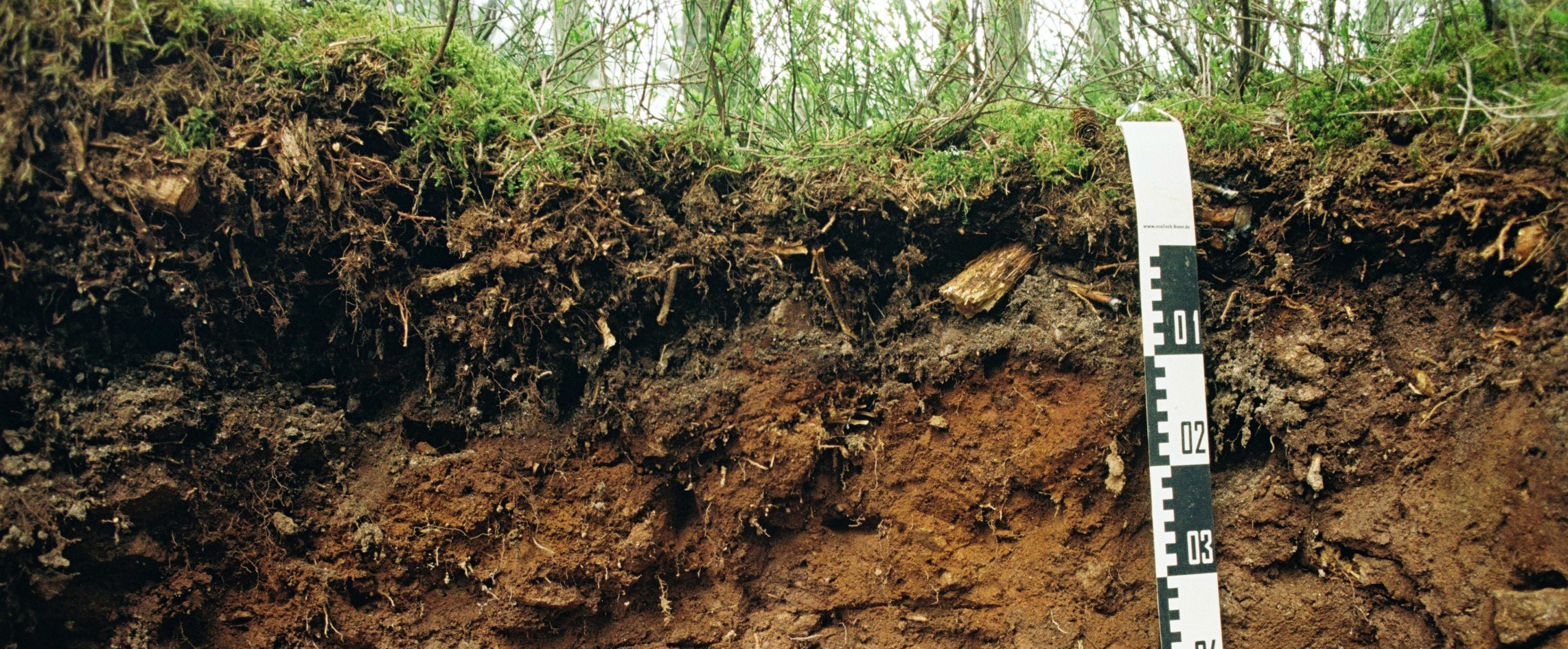
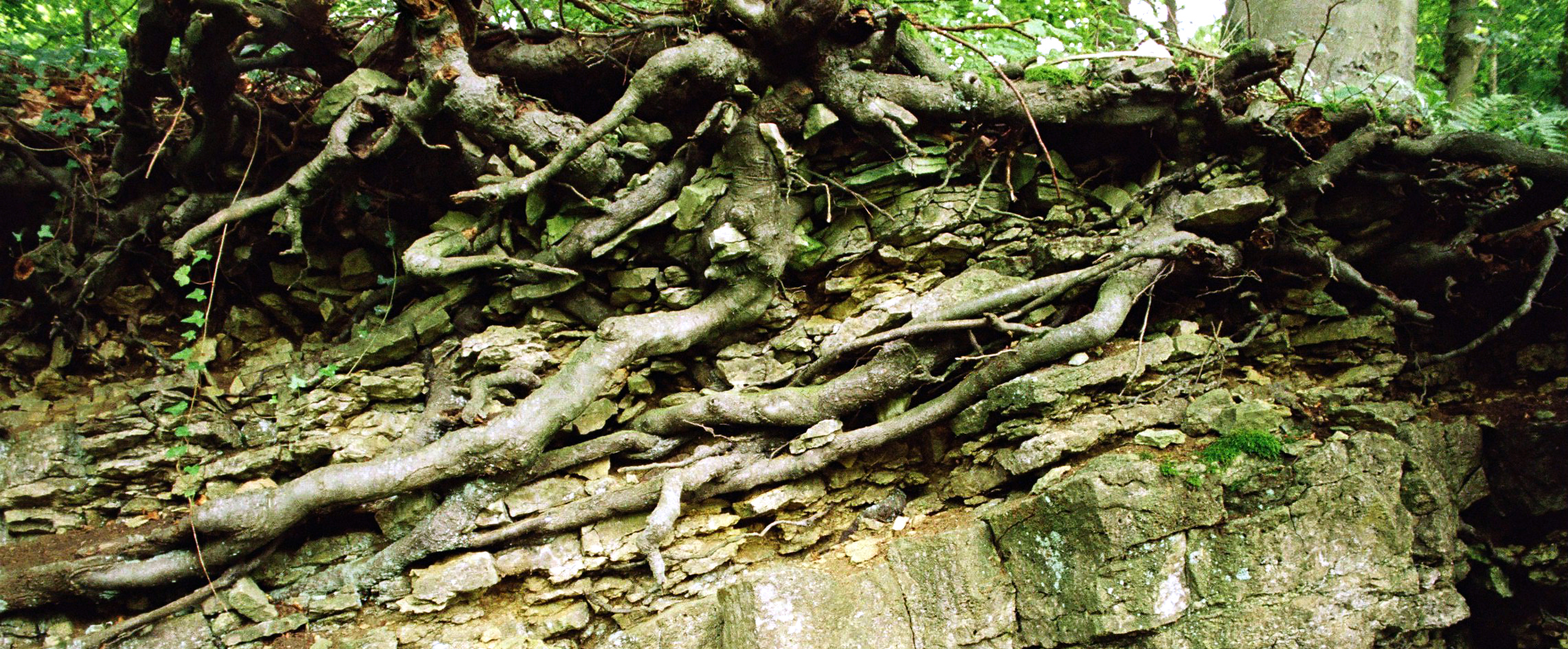
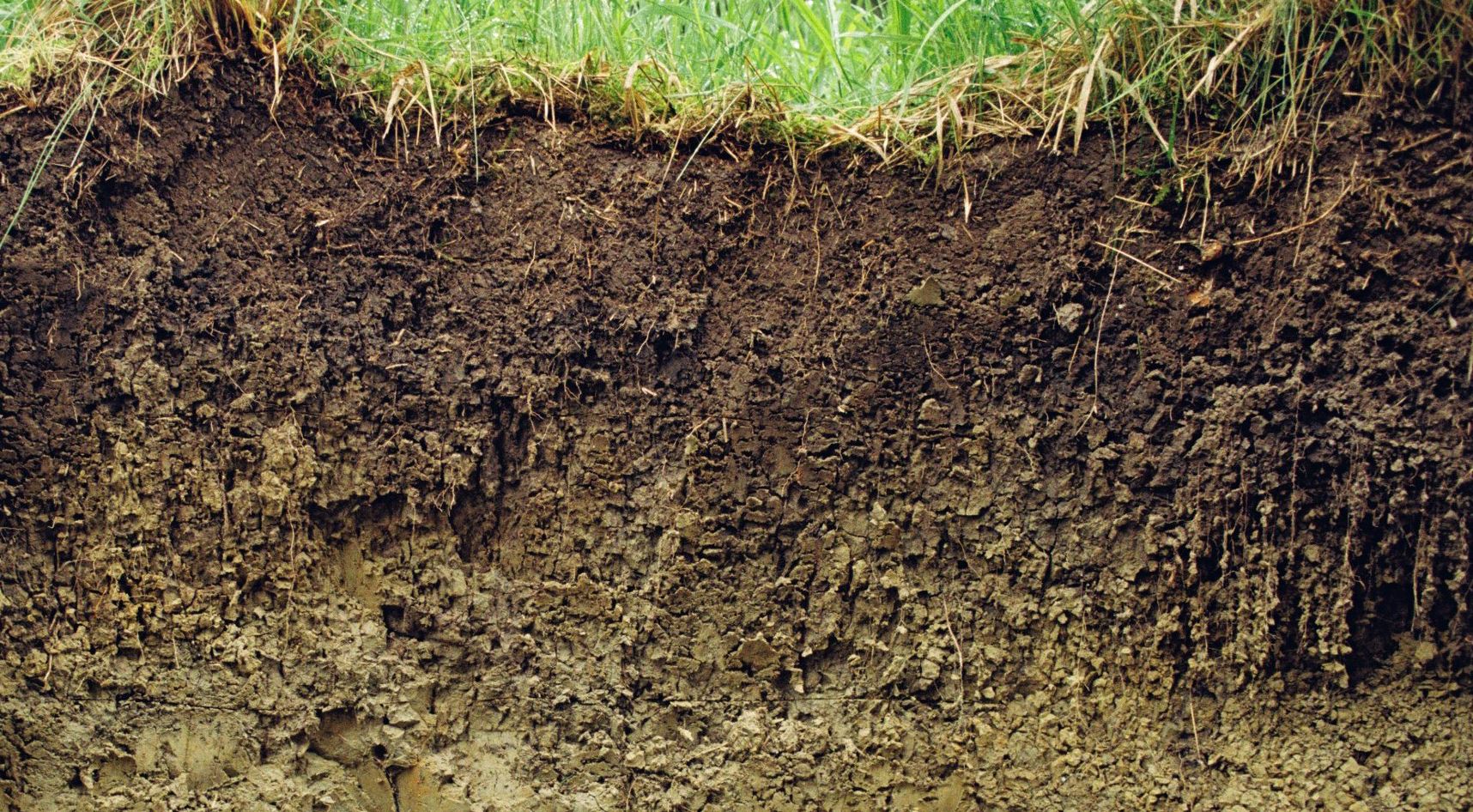
Soils not only preserve traces of human activity; they also tell the story of nature itself. Many of today’s soils developed after the end of the last ice age, that is, during a geologically recent period. Yet beneath their surface, there are often clues to much older environmental conditions. Such relics of earlier soil formations serve as natural archives that document climate and landscape changes over very long periods of time.

ISRIC – worldwide soil data
ISRIC offers a wide range of reference soils, the World Soil Museum, and much more related to the topic of soils.
Research
Our research focus and current projects
Teaching
Our courses and information about theses
Our Team
Introduction of our team members with contact details
Research Group ForestFloor
Functionality, Dynamics and Vulnerability in Change (DFG FOR 5315)
Forest floors can store large quantities of CO2, they nourish special biotic communities and can have a decisive influence on the vitality and stability of forests. The influence of climate change on this soil layer, which is central to forest soils and extremely sensitive to environmental changes, is being investigated by this international research group.
Cluster of Excellence “Future Forests”
From January 1, 2026, the DFG will fund the Cluster of Excellence “Future Forests”!
The adaptation of complex social-ecological systems to global change is the subject of a Cluster of Excellence Initiative at the German Research Foundation. The aim of the cluster initiative is to develop, analyse and evaluate transformation pathways towards resilient forest-based social-ecological systems, their governance, management and use. The head of the Chair, Fritzi Lang, is one of the co-spokespersons of the cluster initiative.