Seal element of the university of freiburg in the shape of a clover

Archive

2025

New Research Project

MangrovES

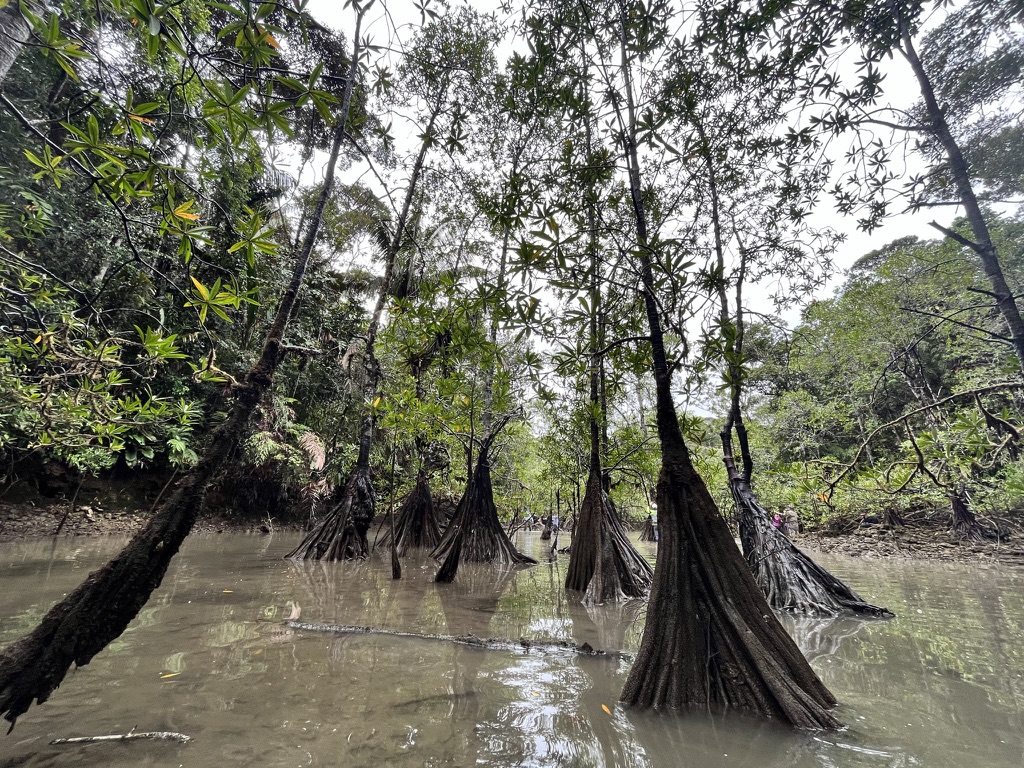
On 1 October 2025, the MangrovES project (Mangrove Governance Innovation for Sustainable Ecosystem Service Provision) was launched, a comprehensive international research initiative led by Professor Daniela Kleinschmit and Stefan Sorge. Addressing a critical environmental challenge, the study analyzes governance innovations for mangrove forest management across three regions in Colombia, integrating ecological, social, and economic factors to ensure the sustainable provision of essential ecosystem services. The project employs the Social-Ecological-Technical-Forestry-Innovation-Systems (SETFIS) analytical framework and combines multiple research methodologies with on-the-ground collaboration through partnerships with CEMarin in Colombia and the Leibniz Centre for Tropical Marine Research (ZMT) in Germany.

Read more

Publication

Forests in the Spotlight: Discourse Coalitions and Storylines Shaping the EU Nature Restoration Regulation

New paper published by Simon Fleckenstein, Simon Schaub (Heidelberg University) and Metodi Sotirov in the Journal Politics & Governance. The paper investigates the policy-making process of the EU Nature Restoration Regulation, with a particular focus on the discourse on forest ecosystem restoration. Using discourse network analysis and process-tracing, it examines how arguments and storylines advanced by a range of state and non-state actors influenced the process and its outcome. In doing so, it provides critical insights into the development of the EU‐NRR— the EU’s first directly applicable and legally binding forest‐related policy instrument.

Read more

Publication

From connections to conservation: Social networks in forest biodiversity management

New publication by Theresa Klara Loch, Melanie Nagel, and Daniela Kleinschmit in the Journal of Environmental Management. The study focuses on forest managers as environmental street-level bureaucrats and examines how their social networks shape the implementation of biodiversity measures in German state forests. It explores who they turn to for advice, how personal ties influence decision-making, and why trust matters for everyday practice. The findings show that networks are more than support systems, they shape how policies are interpreted and applied. Managers with broader, more diverse networks often show stronger engagement with biodiversity conservation.

Read more

Final Project Report

How can forests and water be considered together for the future?

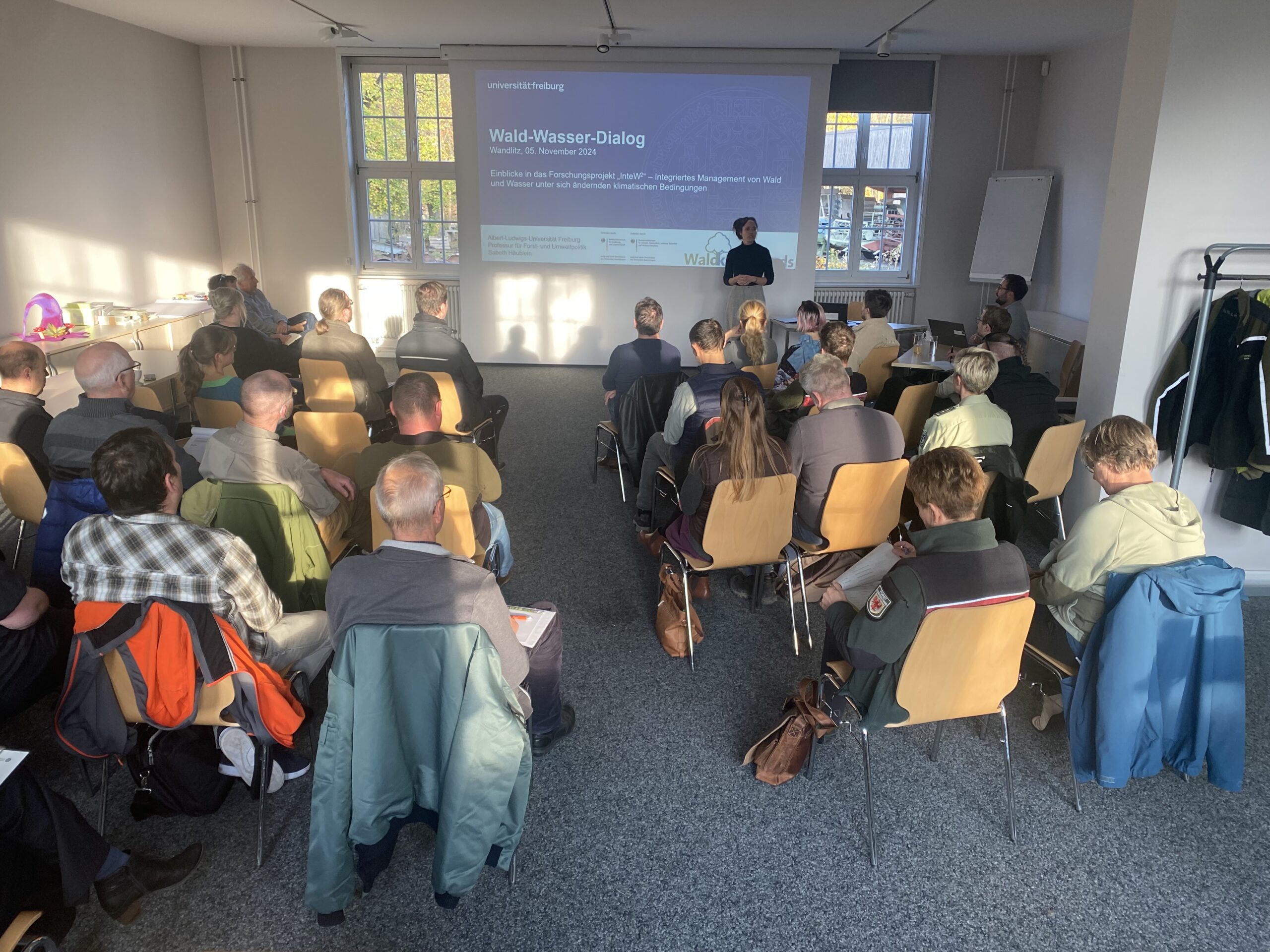
The InteW2 project shows: Despite growing challenges such as drought, flooding, and declining water quality, there is still a lack of close integration between the forestry and water sectors. As part of the project, local roundtable discussions were held to initiate an exchange among practitioners—a strategy that offers strong potential for regionally tailored solutions.

While our findings show that there has been little cooperation between the forestry and water sectors so far, there is a positive development with the National Water Strategy from March 2023: it formally establishes strategic collaboration with the forestry sector, laying a foundation for greater exchange in the years to come.

Read more
Piangüeras

Publication

Piangüeras: Guardians of the Mangrove in the Colombian Pacific


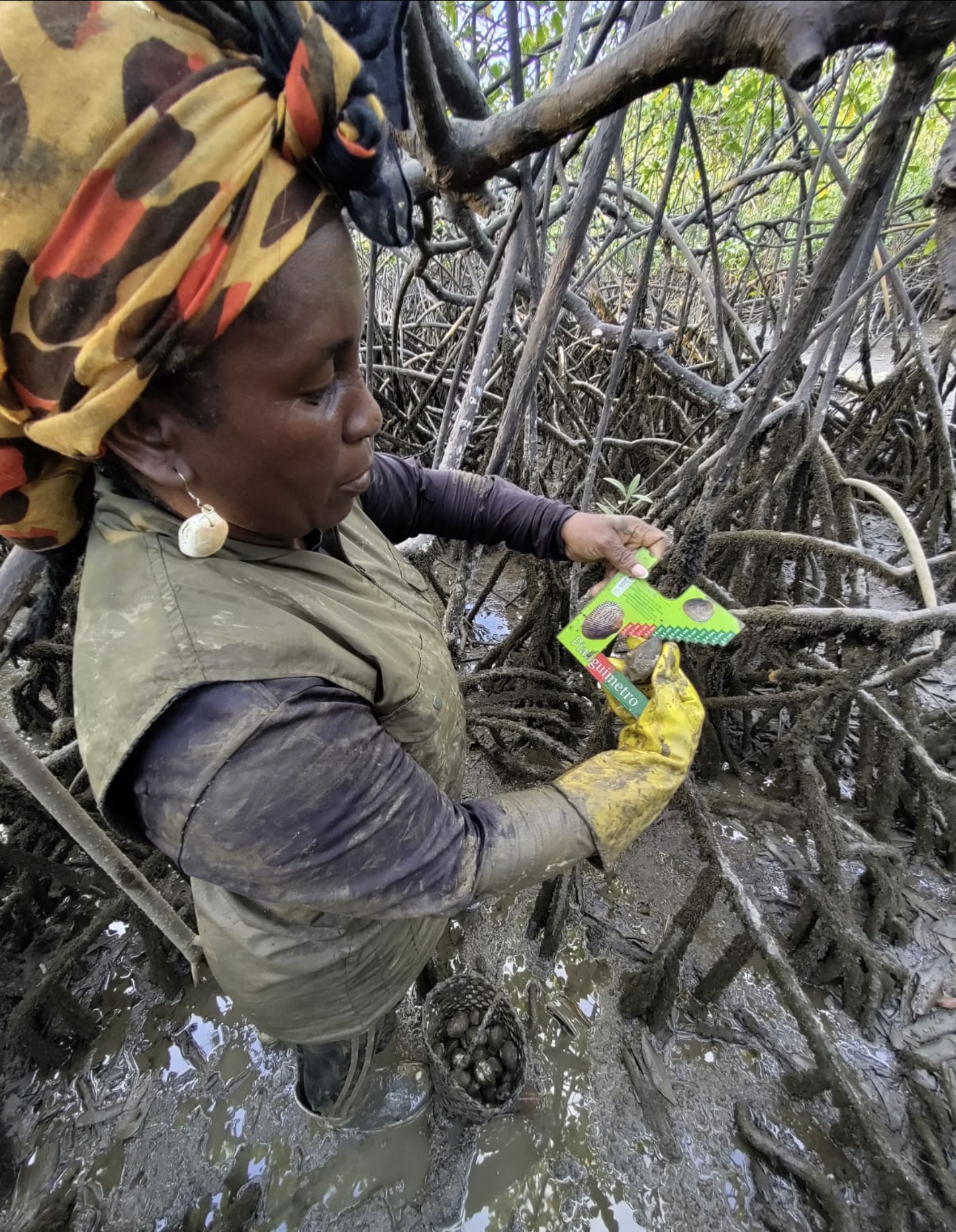
This publication explores the crucial role of piangüeras, primarily Afro-Colombian women, in the sustainable management and conservation of mangrove ecosystems along Colombia’s Pacific coast. Piangüeras are traditional shellfish gatherers who collect piangua (a mollusk) using ancestral knowledge passed down through generations. Their deep cultural connection to the mangroves ensures sustainable harvesting, supporting both local livelihoods and biodiversity. Despite facing challenges such as environmental degradation and limited recognition of their contributions, piangüeras exemplify community leadership and environmental stewardship. The publication calls for greater support and inclusion of piangüera knowledge in policy-making to protect mangroves and the communities who depend on them.

Read more