FreiCIC has taken over the work of the ConTrans Cluster of Excellence Initiative (Constitution as Practice in Times of Transformation) – the University of Freiburg remains the home of interdisciplinary constitutional studies.

About FreiCIC
The Freiburg Centre for Interdisciplinary Constitutional Studies (FreiCIC) examines constitutions as practice—in their communicative, normative-institutional, and symbolic dimensions. At its heart lies an interdisciplinary approach that brings together historical depth, empirical breadth, and normative insight. Rather than viewing constitutions merely as texts, we understand them as social and normative practices whose ordering, legitimizing, and orienting power is the focal point of analysis. The network seeks to explore the dynamics of constitutional action and decision-making in order to understand processes of societal transformation through the distinctive lens of constitutional phenomena.
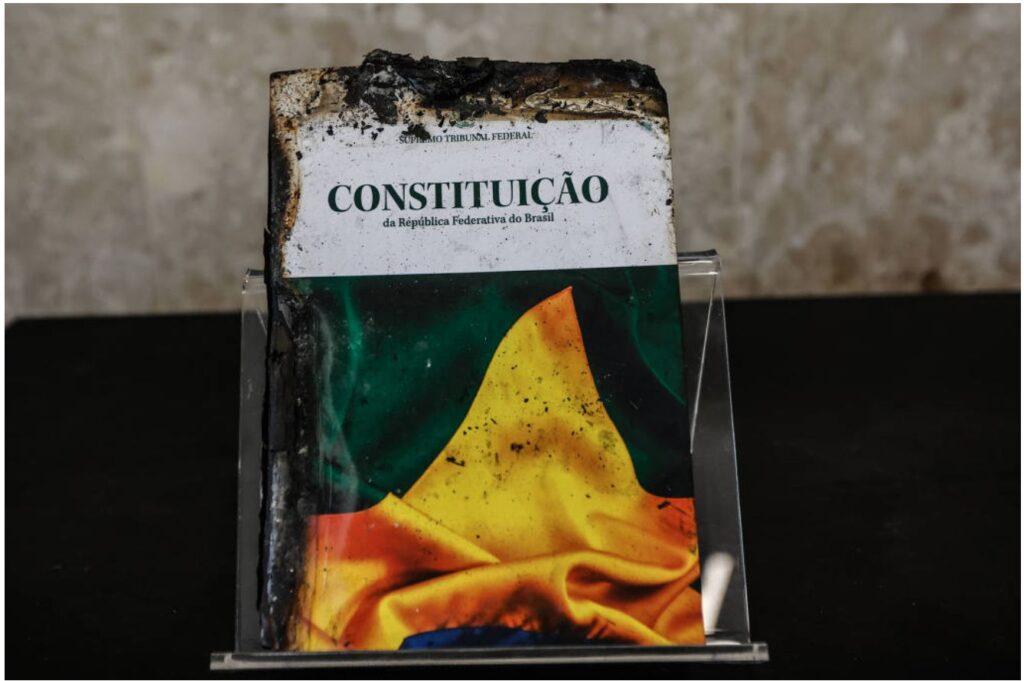

FreiCIC brings together, for the first time, a wide range of disciplinary perspectives—from law and history to literary studies and psychology—in a comprehensive and long-term effort to study constitutions as lived social practices. Only through such an integrated approach can we grasp the many forms that constitutionality has taken across time and space. These range from symbols, rituals, and procedures to the discursive role of “ancient constitutions” in contemporary debates. This endeavor requires an innovative analytical framework capable of capturing the communicative and institutional practices of diverse actors.
The overarching goal of FreiCIC’s participating scholars is to establish a truly international and interdisciplinary field of constitutional research that bridges the humanities and the social sciences.
Das FreiCIC
Das Freiburger Zentrum für interdisziplinäre Verfassungsforschung (FreiCIC) untersucht Verfassungen als Praxis – in ihrer kommunikativen, normativ-institutionellen und symbolischen Dimension. Im Mittelpunkt steht ein interdisziplinärer Ansatz, der historische Tiefe mit empirischer Breite und normativem Wissen verbindet. Verfassung wird dabei nicht auf Texte reduziert, sondern als soziale, normative Praxis begriffen, deren ordnende, legitimierende und orientierende Kraft stets im Fokus bleibt. Ziel des Zentrums ist es, den Dynamiken verfassungsspezifischen Handelns und Entscheidens nachzugehen, um gesellschaftliche Transformationen durch das prägnante Prisma verfassungsbezogener Phänomene zu verstehen.
Das FreiCIC bringt hierfür erstmalig Perspektiven aus unterschiedlichsten Disziplinen – von der Rechtswissenschaft über die Geschichtswissenschaft bis hin zur Literaturwissenschaft und Psychologie – in einem umfassenden und langfristigen Versuch zusammen, Verfassungen als soziale Praktiken zu untersuchen. Nur so lassen sich Varianten von Verfasstheit über Raum und Zeit hinweg erfassen. Sie reichen von Symbolen, Ritualen und Verfahren bis hin zur diskursiven Funktion „antiker Verfassungen“ in modernen Auseinandersetzungen. Dies erfordert einen innovativen Analyserahmen, um kommunikative und institutionelle Praktiken unterschiedlicher Akteure zu erforschen.
Das Ziel der beteiligten Wissenschaftler*innen besteht darin, über das FreiCIC eine internationale und interdisziplinäre Verfassungsforschung im Verbund von Geistes- und Gesellschaftswissenschaften zu etablieren.
Sobre FreiCIC
As constituições modernas se encontram no centro das esperanças e dos conflitos sociopolíticos. Frequentemente entendidas como documentos fundacionais, elas são comumente associadas à permanência e estabilidade. Contudo, ao buscar compreender as ordens fundacionais de sociedades e comunidades em diferentes tempos e contextos, os limites da concepção moderna de constituição tornam-se evidentes. Constituições se alicerçam sobre práticas sociais, tornando-se fatores relevantes no processo contínuo de adaptação das sociedades. Essa dimensão prática do fenômeno constitucional é especialmente evidente em períodos de transformação e crise econômica, social e política, mas tem sido amplamente negligenciada. Para investigá-la, uma abordagem interdisciplinar consistente é necessária.
De modo inédito, o “Centro de Estudos Constitucionais Interdisciplinares” (sigla em inglês: FreiCIC) visa aproximar perspectivas de várias disciplinas — desde as ciências jurídicas e a história até a literatura e a psicologia — em um esforço abrangente e de longo prazo para repensar e estudar constituições como práticas sociais. Assim, é possível explorar diferentes variantes históricas e culturais de constitucionalidade. Estas variantes incluem símbolos, rituais e procedimentos, além das funções discursivas de “constituições ancestrais” em debates contemporâneos. Capturá-las requer um aparato analítico inovador que permita a investigação de práticas comunicativas e institucionais diversas.
O objetivo dos pesquisadores envolvidos é estabelecer uma rede internacional e interdisciplinar capaz de integrar diferentes disciplinas das humanidades e ciências sociais, proporcionando visibilidade ao FreiCIC.
Um jovem congolês pega a espada do rei belga Baudouin durante as comemorações da independência do Congo, Leopoldville, 1960. © Archiv Robert Lebeck
关于 FreiCIC
现代宪法处于社会政治希望和冲突的核心。宪法通常被认为是现代民族国家的奠基性文件,并与延续性和稳定性联系相联系。然而,想要理解社会和社群在时间和空间中的基本秩序,对宪法的现代理解的局限性便显而易见了。所有宪法以社会实践为基础,这使其成为社会秩序调整过程中的一个因素。在经济、社会和政治变革以及危机时期,这一维度尤为明显,但迄今为止尚未受到足够重视。因此,目前亟需采取一个具有持续性的,跨学科的学术研究方法。
弗赖堡跨学科宪法研究中心 (Freiburg Centre for Interdisciplinary Constitutional Studies, FreiCIC)首次汇集了多种学科的视角——从法学、历史学到文学和心理学——并在一个全面且长期的尝试中, 研究作为社会实践的宪法。只有这样,才能跨越时间和空间捕捉到宪法的多样性。这些多样性的实践包括从符号、仪式和程序,以及“古代宪法 ”在现代冲突中的话语功能。因此,学术研究需要一个创新的框架来分析框架,以展开对不同参与者的沟通和制度实践的研究。
相关学者的目标是为宪法研究建立一个国际跨学科平台,从而将人文和社会科学结合起来,并在FreiCIC 中予以推广。
© Archiv Robert Lebeck
Informacje o FreiCIC
Współczesne konstytucje znajdują się w centrum społeczno-politycznych nadziei i konfliktów. Często rozumiane jako dokumenty założycielskie współczesnych państw narodowych, kojarzone są z trwałością i stabilnością. Jeśli jednak chcemy zrozumieć podstawowe struktury społeczeństw i społeczności w czasie i przestrzeni, ograniczenia współczesnego rozumienia konstytucji stają się oczywiste. Konstytucje opierają się na praktykach społecznych, one są faktorem w procesie adaptacji porządków społecznych. Wymiar ten staje się szczególnie wyraźny w czasach zmian i kryzysów gospodarczych, społecznych i politycznych, ale do tej pory był zaniedbywany. Konieczne jest zatem spójne podejście interdyscyplinarne.
© Archiv Robert Lebeck
Po raz pierwszy FreiCIC łączy perspektywy z szerokiego zakresu dyscyplin – od prawa i historii do literatury i psychologi – w kompleksowej i długoterminowej próbie analizy konstytucji jako praktyk społecznych. Jest to jedyny sposób na uchwycenie odmian konstytucyjności w przestrzeni i czasie. Odmiany konstytucyjności obejmują symbole, rytuały i procedury, a także dyskursywną funkcję „starożytnych konstytucji” we współczesnych konfliktach. Wymaga to innowacyjnych ram analizy praktyk komunikacyjnych i instytucjonalnych różnych podmiotów.
Celem uczestniczących badaczy jest wykorzystanie ConTrans do ustanowienia międzynarodowych i interdyscyplinarnych badań konstytucyjnych w naukach humanistycznych i społecznych oraz uczynienie ich widocznymi we Freiburskim Centrum Interdyscyplinarnych Studiów Konstytucyjnych (FreiCIC).
FreiCIC – Aperçu
Le centre fribourgeois de recherche interdisciplinaire sur les constitutions tente d’étudier les constitutions en tant que pratiques sociales – dans leurs dimensions communicatives, normatives, institutionnelles et symboliques. Il adopte une approche interdisciplinaire qui combine profondeur historique, ampleur empirique et connaissances normatives. Les constitutions ne sont pas réduites à leurs textes, mais comprises en tant que pratiques sociales et normatives dont le pouvoir d’organisation, de légitimation et d’orientation reste toujours au centre de l’attention. Le réseau a pour objectif d’étudier les constitutions en action, en considérant conjointement les processus de décision et l’ensemble des actions spécifiquement constitutionnelles en tant que telles, afin de comprendre les transformations sociales à travers le prisme spécifique des phénomènes constitutionnels
Le FreiCIC rassemble pour la première fois des perspectives issues de diverses disciplines – du droit à l’histoire en passant par la littérature et la psychologie – dans le cadre d’une tentative globale et à long terme visant à étudier les constitutions en tant que pratiques sociales. Ainsi seulement, il est possible de saisir toute une série de variantes de constitutionalité dans l’espace et le temps. Ces pratiques sociales vont des symboles, des rituels et des procédures à la fonction discursive des « constitutions antiques » dans les conflits modernes. Cela nécessite un cadre d’analyse novateur pour explorer les pratiques communicatives et institutionnelles de différents acteurs.
L’objectif de nos chercheurs est d’établir, par le biais du FreiCIC, une recherche constitutionnelle internationale et interdisciplinaire en association des sciences humaines et sociales.
Participating faculties
Participating researchers


Events and contributions




Past Conferences

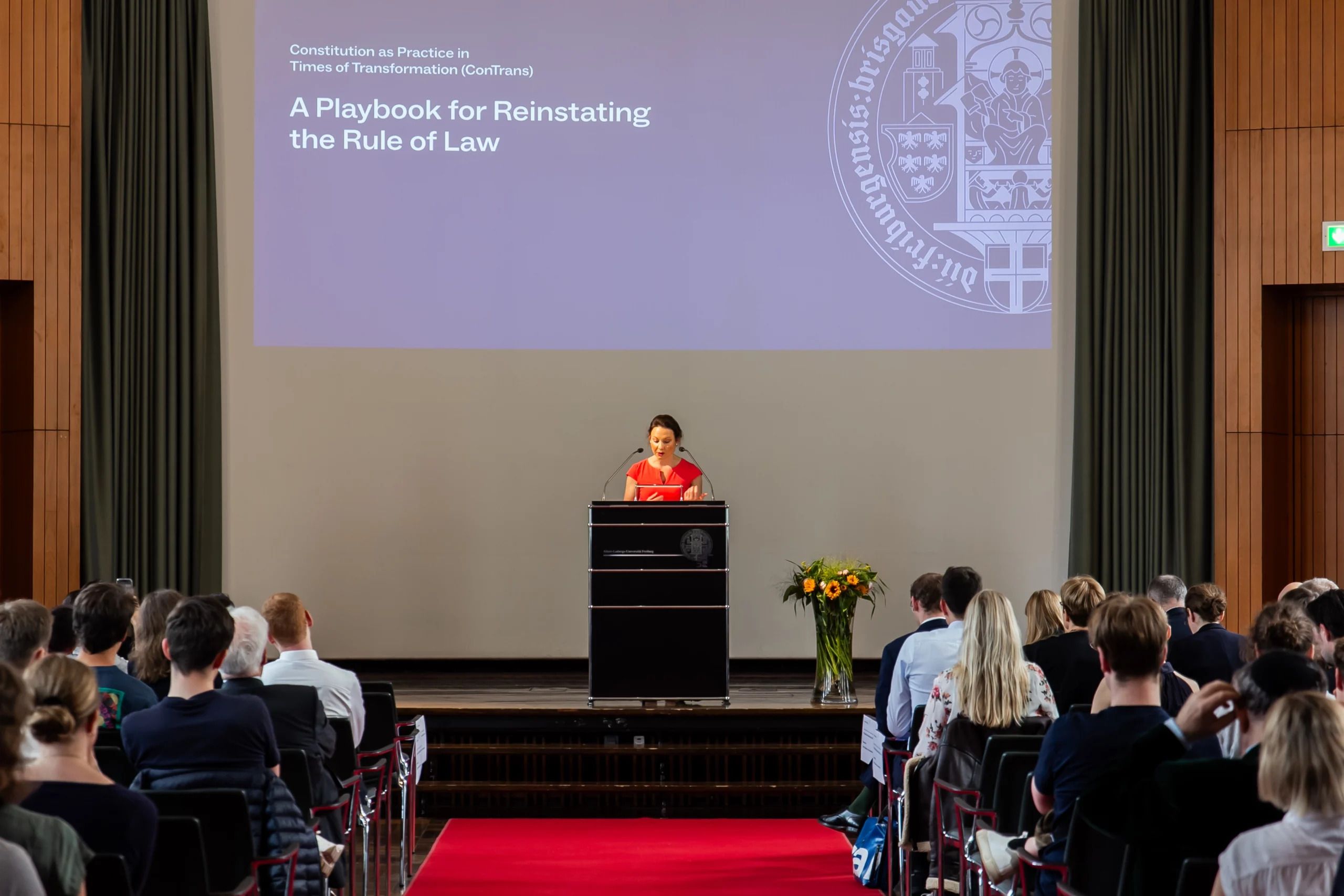
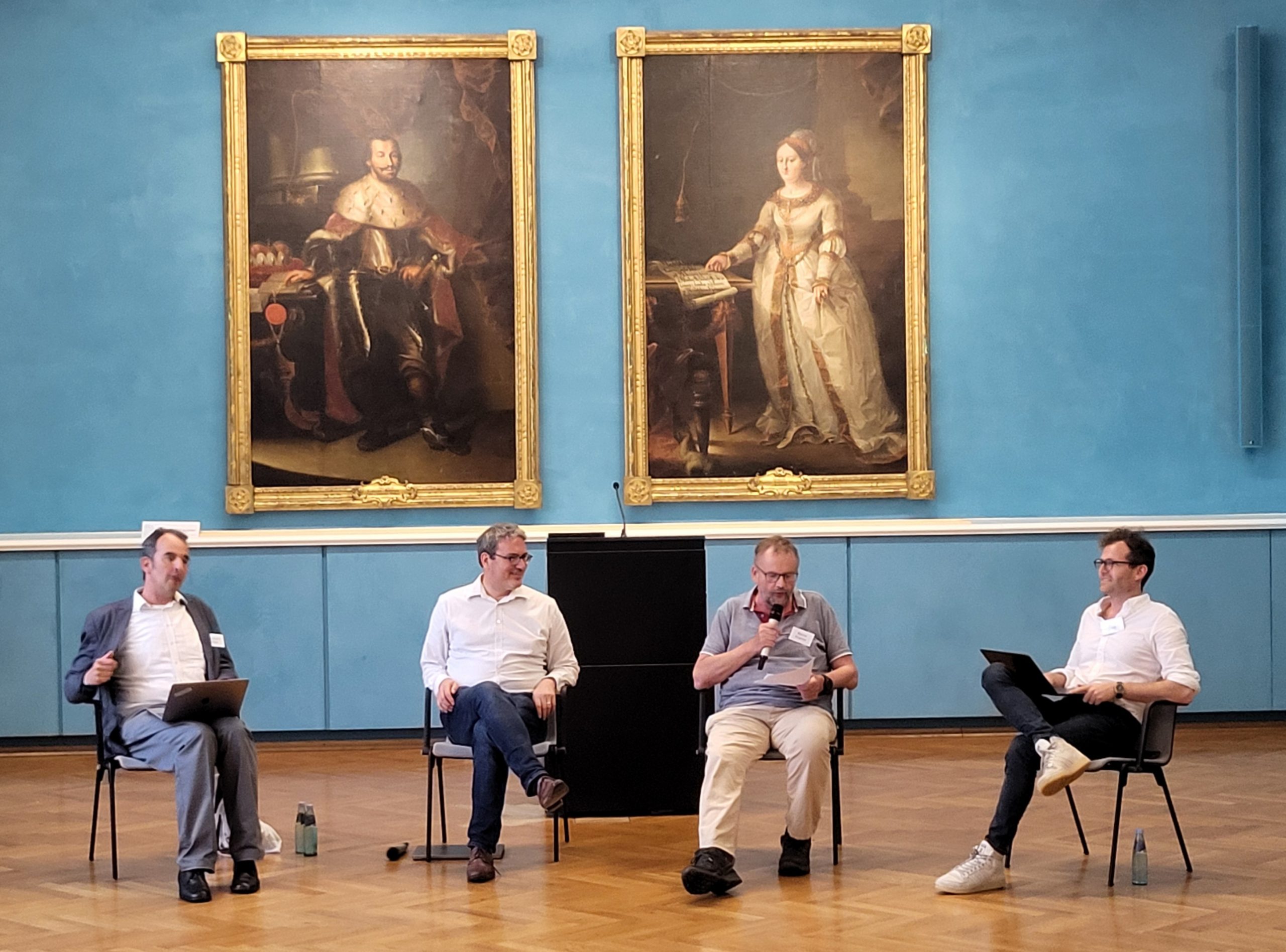
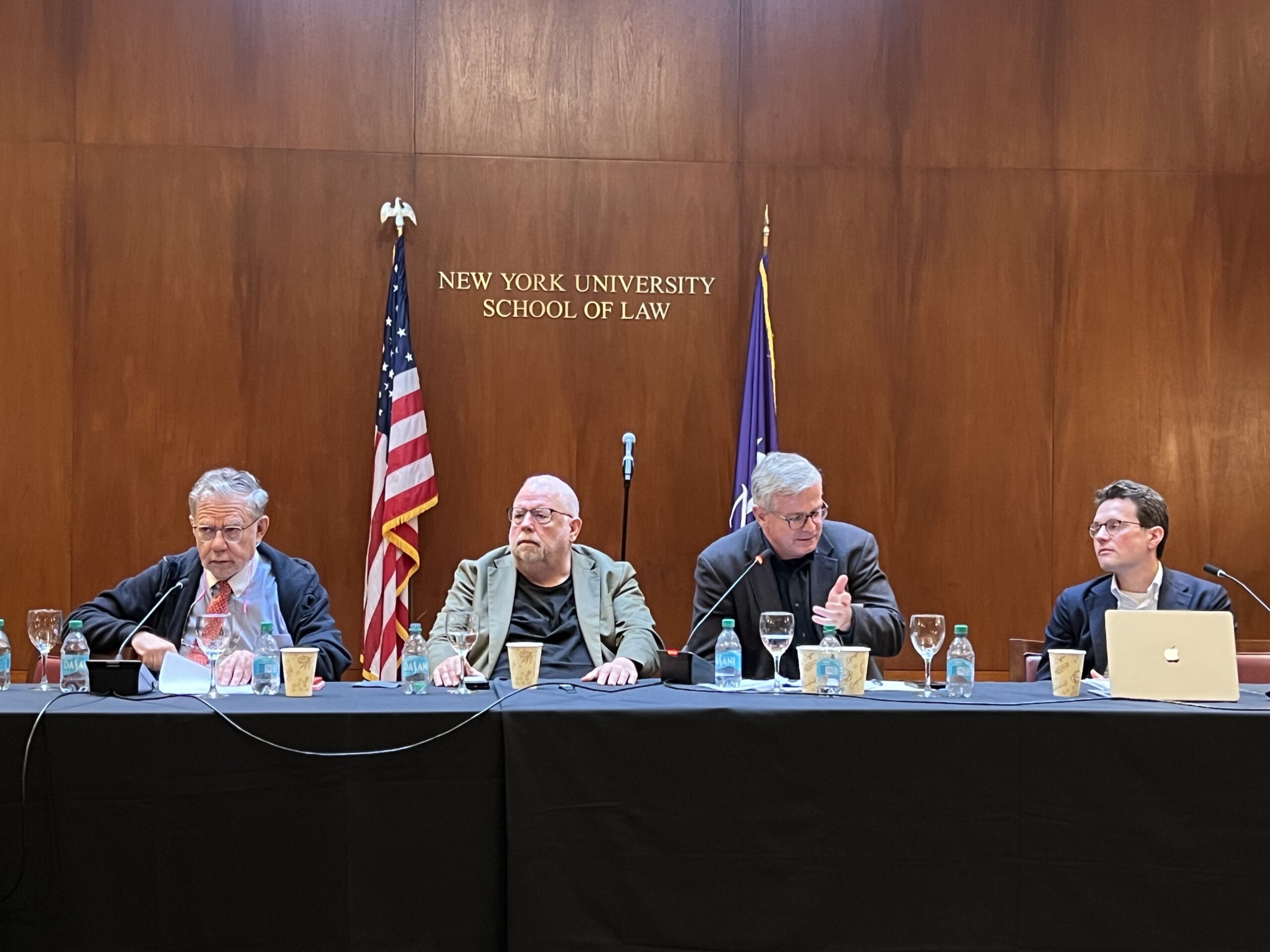
Past events


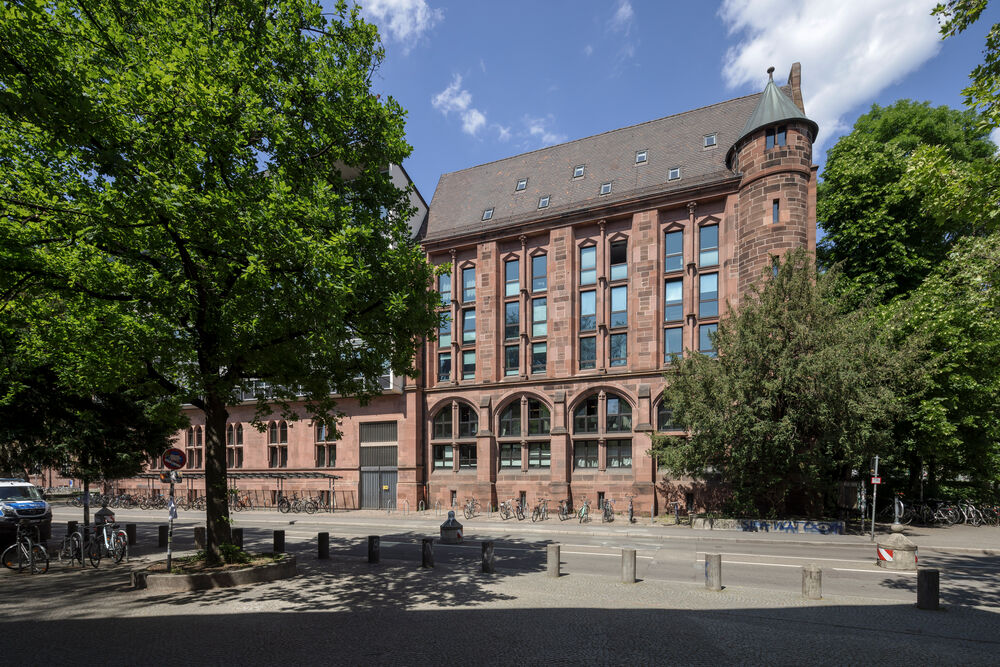
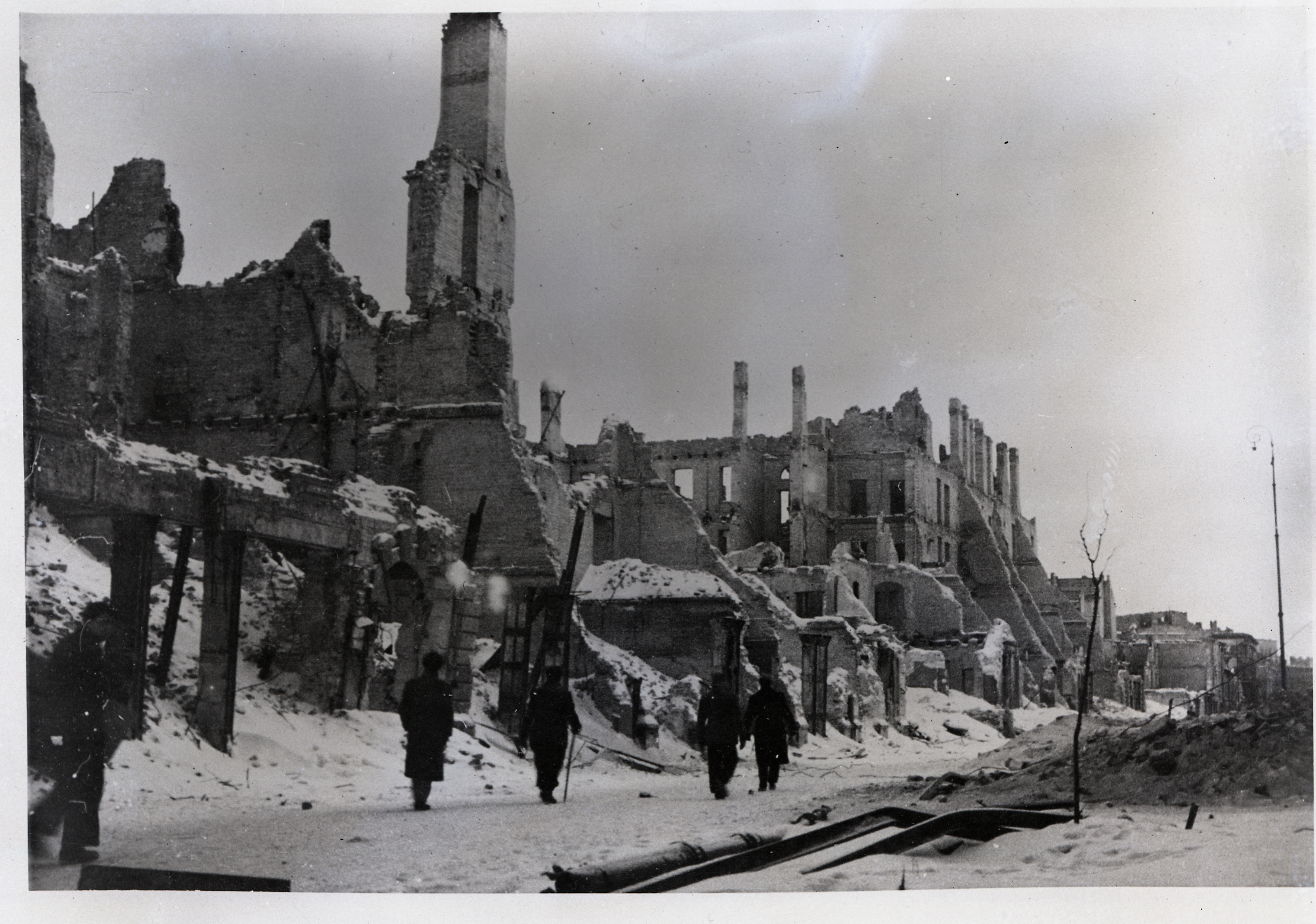


Awards

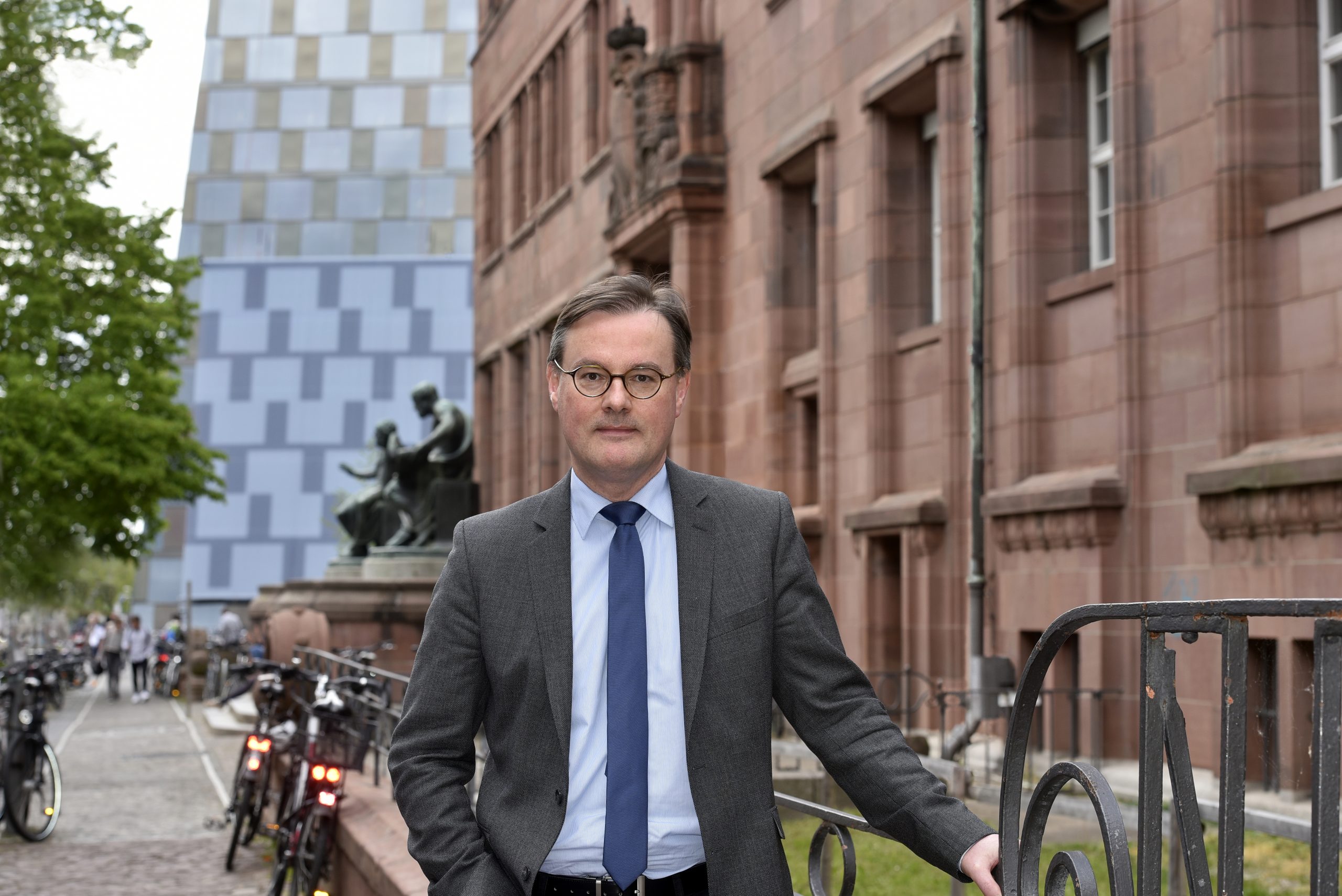
Related projects of our PIs
FRIAS Project Group: Post-war Times: Plurality – Temporality – Re/Constructions
Prof. Dr André Krischer, Prof. Dr Elisabeth Piller and Prof. Dr Paulina Starski are involved in the FRIAS Project Group Post-war Times: Plurality – Temporality – Re/Constructions.
Hans Kelsen Online
Prof Matthias Jestaedt and Dr Rodrigo Cadore are involved in the project „Hans Kelsen Werke“, in which the complete works of the legal and constitutional theorist Hans Kelsen (1881–1973) are being made digitally accessible in a historical-critical hybrid edition.