1. Academic Key Skills
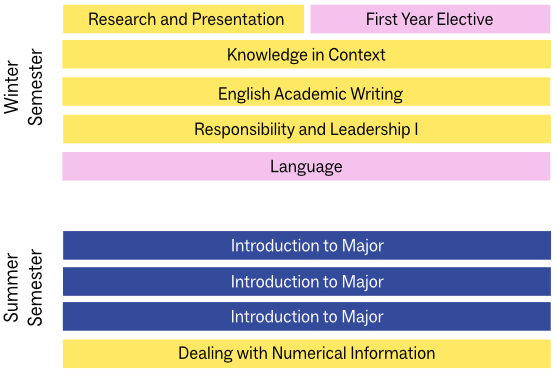
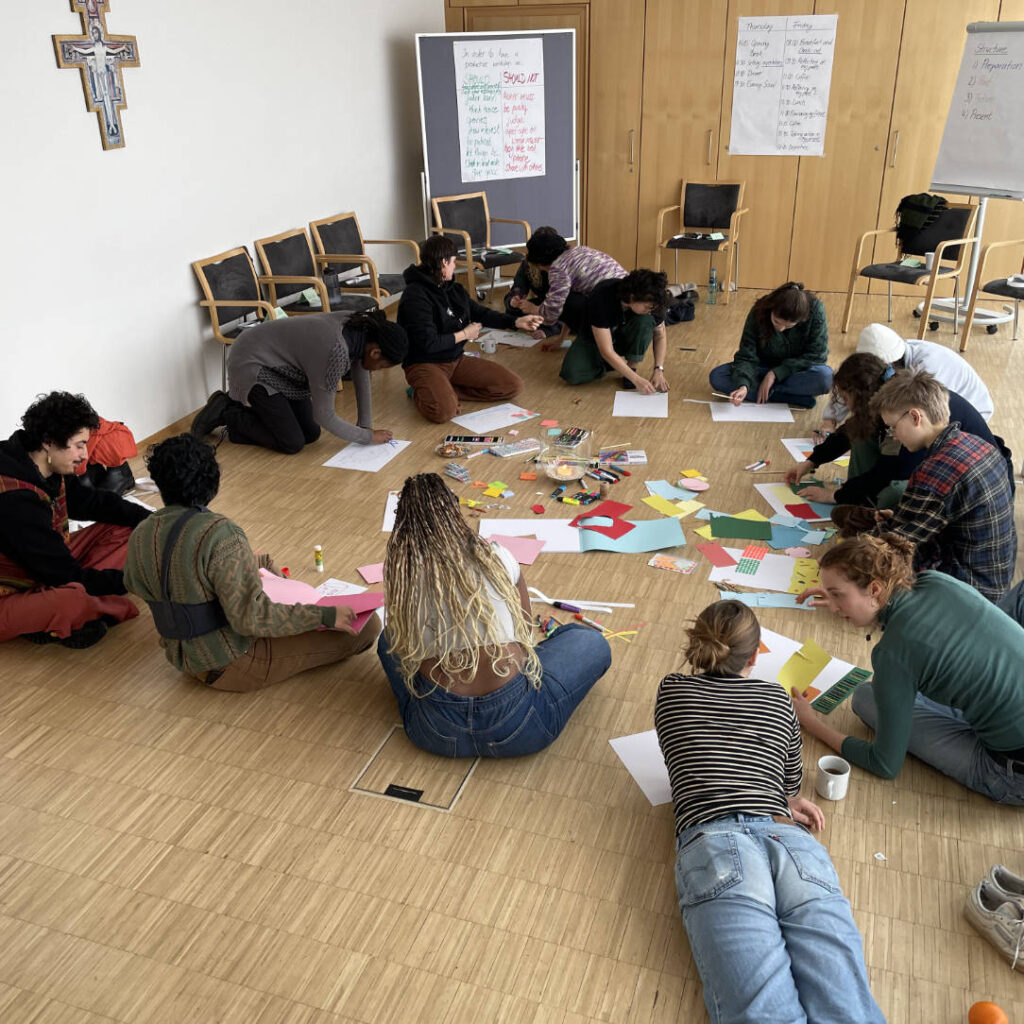
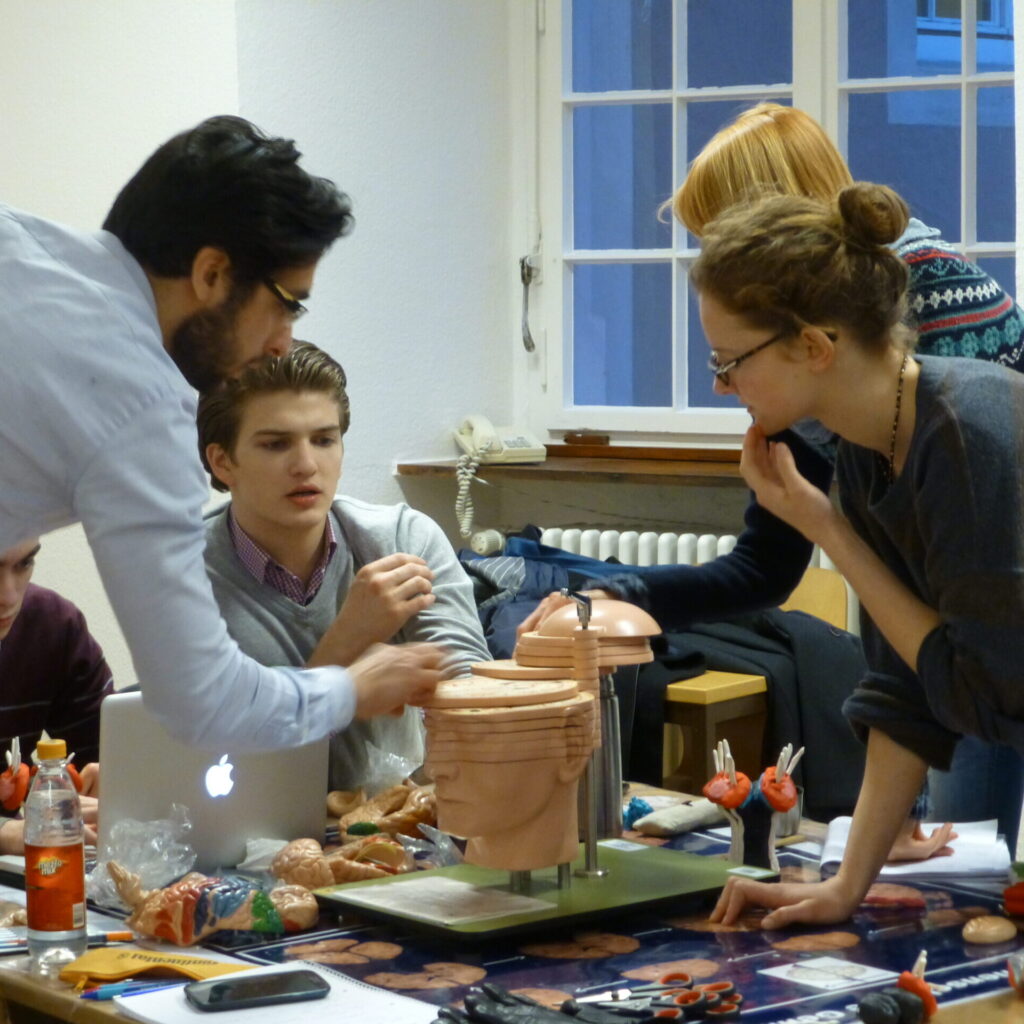
In the Core modules “Research and Presentation” and “English Academic Writing”, students develop and sharpen their academic key skills in courses based on real-world topics such as “Communication”, “Internationalism”, “Sustainable Food Transformation”, or “Humans and Other-than-Humans”. In the course “Dealing with Numerical Information”, students learn how to use numerical data in both academic and non-academic settings.
2. Perspectives on Knowledge
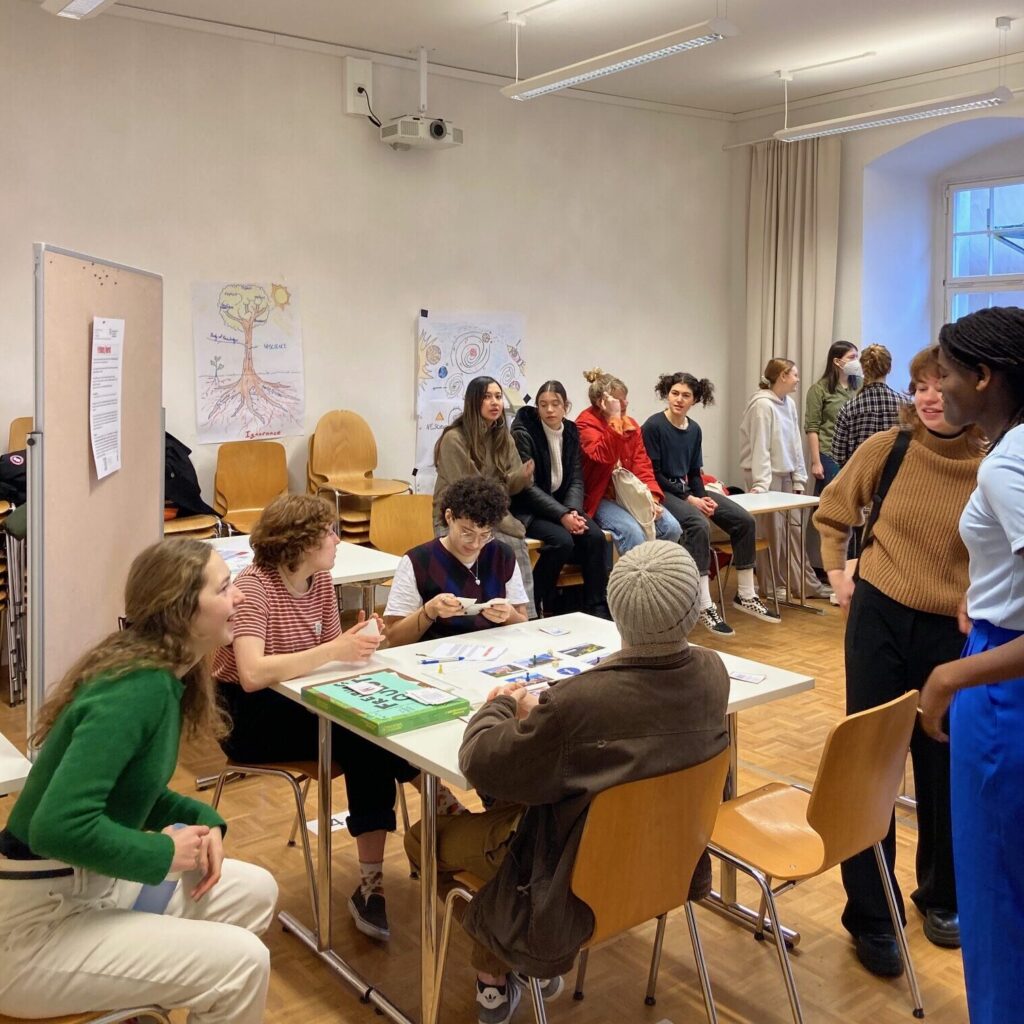
As a basis for academic and scientific work across disciplines, first-year students take the Core module Knowledge in Context, the first of four modules on Reflections on Knowledge and Science. Here, students are introduced to three key issues in Liberal Arts and Sciences: interdisciplinarity, methodological choices, and critical thinking. The study of knowledge in various historical, social, political, and practical contexts helps students to develop their individual study paths.
3. Responsibility and Leadership
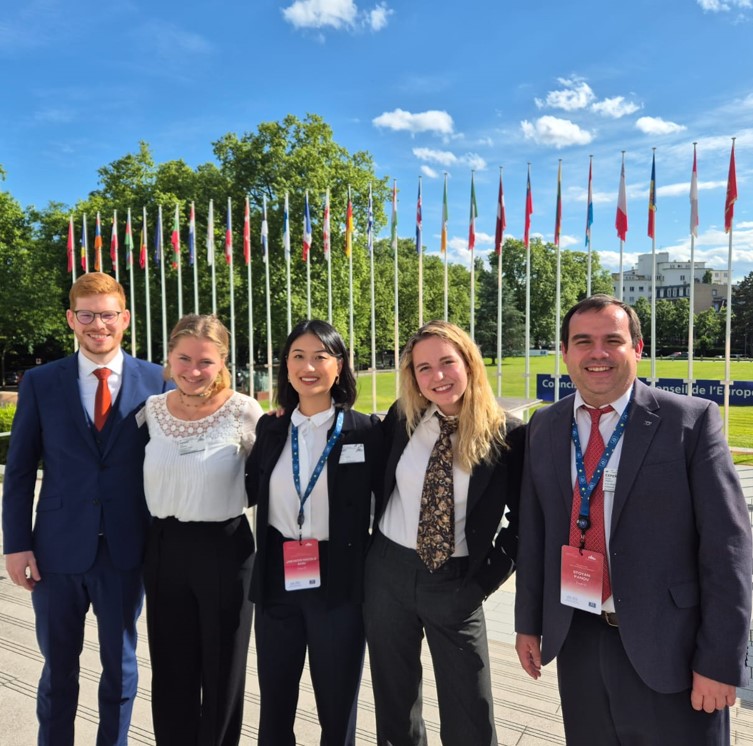
The Core module Responsibility and Leadership I helps students develop their capacities to act responsibly in academic, professional, and personal contexts. It combines academic approaches from a variety of disciplines with personal reflection.
4. Introductions to Majors
These introductions familiarize students with the contents and breadth of the Majors and enable them to make a well-informed choice. You must take three out of four introductions:
- Culture and History
- Governance
- Life Sciences
- Environmental and Sustainability Sciences